

Shirts
Zhejiang Weimi Clothing Co., Ltd.is a large-scale clothing manufacturer with a history of 20 years. Worked for hundreds of well-known brands. Our mission is to become the most popular and trusted professional garment manufacturing factory in China. Adhere to the concept of customer first, saving time, worry and money for customers. We have a first-class team of designers to quickly complete samples and designs to achieve perfect samples. Thousands of perfect production equipment, more than 300 frontline skilled staff, strictly control the quality of each batch of orders, adhere to ensure that there are no defective products, delivery time, to achieve zero delay. We have 4 complete clothing lines, including men's, women's, underwear and so on. Each production line is equipped with a dedicated design team, research and development team, quality control team and 50-60 front-line employees. Professional, efficient, first-class service and quality, absolute price advantage let us serve more global clothing brands. One-stop for customers to solve all clothing problems, looking forward to working with you.
In the past 20 years, we have focused on custom all clothing for brands. Fast turn round sample time,top end quality products,delivery fast and in time! much experience and one station for clothing brands! To be the best RELIABLE MANUFACTURE in China!
Why Choose Us?
Quality control
Strict and experienced QC team,three times inspection to guarantee each item.
Competitive price
We have a professional purchasing team and costing team,trying to reduce costs and profits,and provide you with a good price.
24H online service
You can contact us to inquire about pre-sales, sales, and after-sales services, and we will give you a very satisfactory.We are at your service online 24 hours a day.
One-stop Solution
With rich experience and one-to-one service,we can help you choose products and answer technical questions.


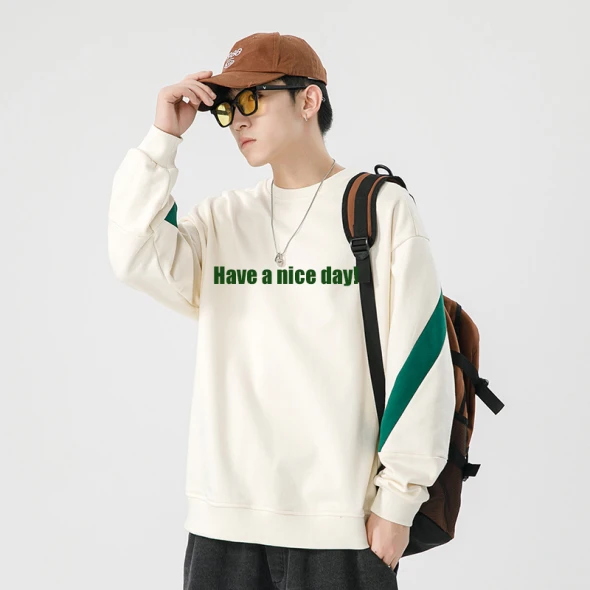
A shirt is a cloth garment for the upper body (from the neck to the waist).
Originally an undergarment worn exclusively by men, it has become, in American English, a catch-all term for a broad variety of upper-body garments and undergarments. In British English, a shirt is more specifically a garment with a collar, sleeves with cuffs, and a full vertical opening with buttons or snaps (North Americans would call that a "dress shirt", a specific type of collared shirt). A shirt can also be worn with a necktie under the shirt collar.
Benefits of Shirts
Comfort
Shirts are comfortable to wear and are made of breathable materials like cotton or linen.
Professionalism
Shirts are often associated with professionalism and can help create a polished and put-together look.
Versatility
Shirts can be dressed up or down, and can be paired with different types of bottoms like jeans, skirts or dress pants.
Protection
Shirts can provide protection from the sun and wind, especially if they are made of thicker, higher quality fabrics.
Style
Shirts come in a variety of styles, colors and patterns, allowing individuals to express their personal style and preferences.
Durability
Shirts are typically made of high-quality materials that are designed to last, making them a cost-effective investment.
Easy to care for
Shirts are generally easy to care for and can often be machine-washed and dried, making them a practical choice for everyday wear.
Functionality
Many shirts have functional features like pockets, buttons, and collars that can serve a purpose, especially for work or outdoor activities.
Types of Shirts
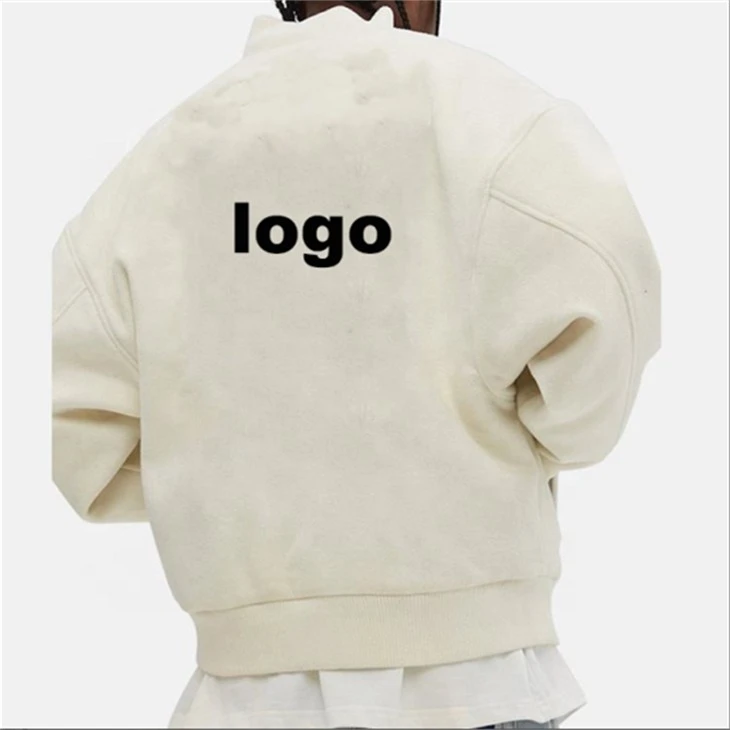
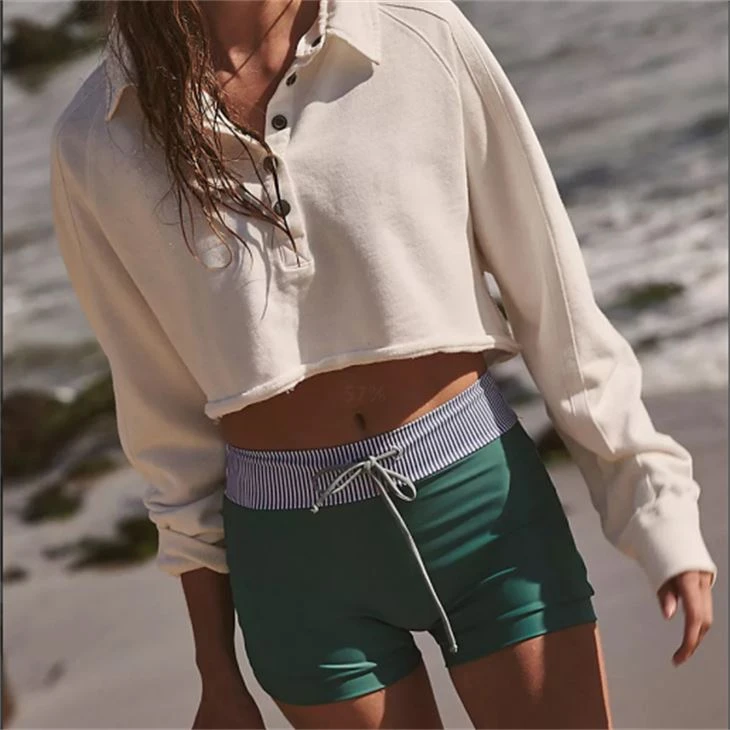
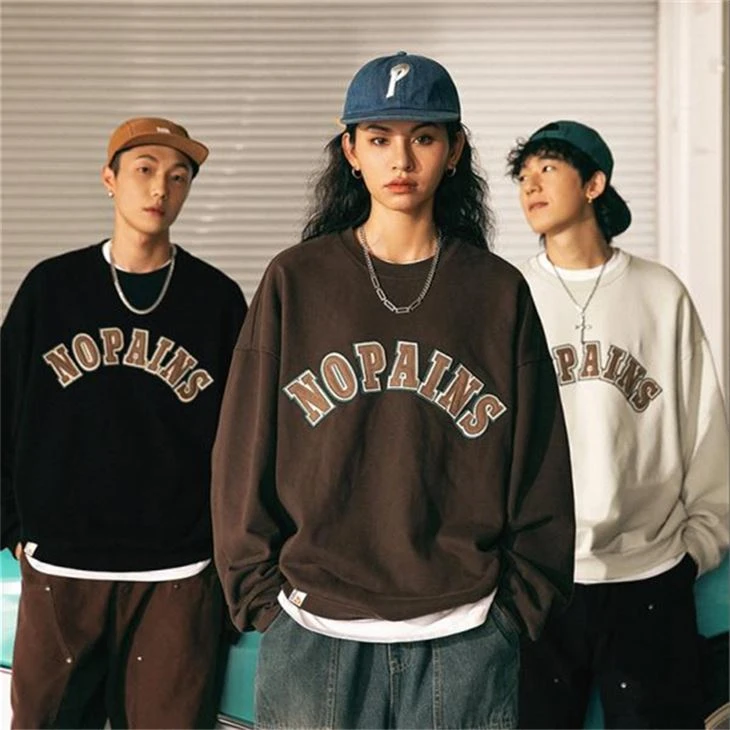
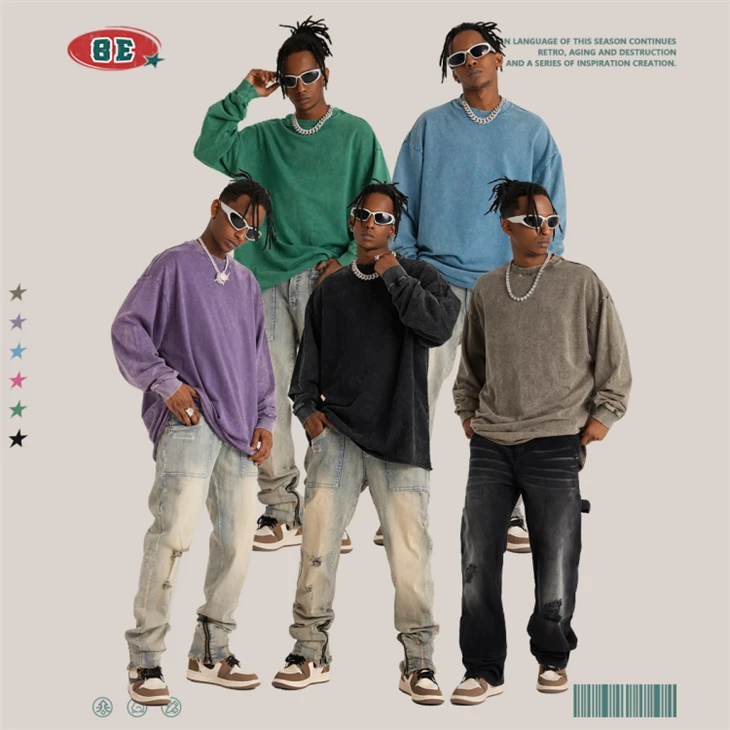
Baseball shirt: This collarless shirt, worn by baseball players as a uniform with team logos, features three-quarter-length sleeves and buttons down the front. A baseball shirt can also refer to a three-quarter-length buttonless shirt with a white body and a contrasting color on the sleeves.
Button-down shirt: A button-down shirt is a collared shirt with long sleeves, half sleeves, or short sleeves. Contrary to a button-up shirt, a button-down has a button in the collar and can be formal or casual in style.
Cuban collar shirt: These short-sleeve shirts are button-ups with an open, double-notch, one-piece collar, also known as a camp collar. Cuban collar shirts are made with breathable materials and are boxy and loose-fitting. Typically, this type of shirt is worn untucked, but you can tuck it in for a more fitted look.
Denim shirt: Denim shirts are denim—a rugged cotton fabric—and feature a button-down collar. Cowboys first wore these durable, easily washable shirts.
Dress shirt: This formal shirt has a stiff collar, buttons down the front, sleeve cuffs, and a spread collar to accommodate a Windsor knot tie. You can wear a dress shirt under a blazer.
Flannel shirt: Flannel is a loosely woven fabric known for being soft and warm. Flannel shirts can be button-up or button-down shirts.
Henley shirt: Henleys are casual, collarless shirts with long or short sleeves and a button placket down the center front.
Linen shirt: Linen is a strong, lightweight fabric made from the flax plant. Linen shirts are ideal for keeping the body cool during the summer months and come in a variety of collar and sleeve styles, as well as buttons and pullovers.
Oxford shirt: These button-down shirts feature Oxford material, a basket weave that’s slightly shiny. You can wear an Oxford shirt for both casual and formal occasions.
Polo shirt: The polo shirt, created by American designer Ralph Lauren, has short sleeves, a collar, and a button placket down the center front. The polo shirt was designed as casual wear, but you can also sport a polo shirt on more formal occasions, especially under a blazer.
T-shirt: This quintessential casual shirt can come in long-sleeve, half-sleeve, short-sleeve, and sleeveless varieties. T-shirts can also have various necklines: V-neck, crew neck, or a band collar. You can layer a lightweight T-shirt under an overshirt or with a blazer.
Tank top: Tank tops are sleeveless shirts made from knit and woven fabrics. Tank tops can be undershirts for work shirts or formal shirts, or you can wear tank tops by themselves as casualwear.
Tunic: A tunic shirt is a loose pullover made from light and airy fabric, such as cotton or linen.
Tuxedo shirt: The shirt you wear beneath a tuxedo suit is known as a tuxedo shirt. These button-down shirts can have a spread collar or a formal wing collar, which has a slightly narrower spread between the collar points to accommodate a bowtie. The long sleeves have french cuffs, which can be folded back and connected with cufflinks. Tuxedo shirts can also have pleats down the front or a bib.
Material of Shirts
| Fabric Type | Benefits |
| Cotton | Breathable, durable, hypoallergenic, and low maintenance |
| Oxford Cloth | Durable, wrinkle-resistant |
| Poplin | Lightweight, smooth, crisp feeling, silky surface |
| Pinpoint | Sophisticated, unique texture, comfortable |
| Herringbone | Visually appealing, durable |
| Linen | Highly absorbent, low maintenance, insect repellent |
| Polyester | Durability, easy to care for, moisture-wicking |
| Flannel | Warm, soft, durable |
| Seersucker | Breathable, versatile, wrinkle-free appearance |
A shirt isn't just about aesthetics; it's an ensemble of comfort, durability, and occasion appropriateness. The fabric plays a pivotal role in this:
Comfort: Natural fibers like cotton and linen are soft to the touch and provide breathability, ensuring you remain at ease throughout your day.
Longevity: Materials like polyester and twill are known for their toughness, translating into shirts that resist wear and tear.
Occasion Suitability: Imagine wearing a heavy flannel to a summer beach party, or a casual seersucker to a business conference. The right material ensures you're always in sync with your environment.
In essence, your shirt fabric isn't just a sartorial choice; it's an investment in comfort and impression.
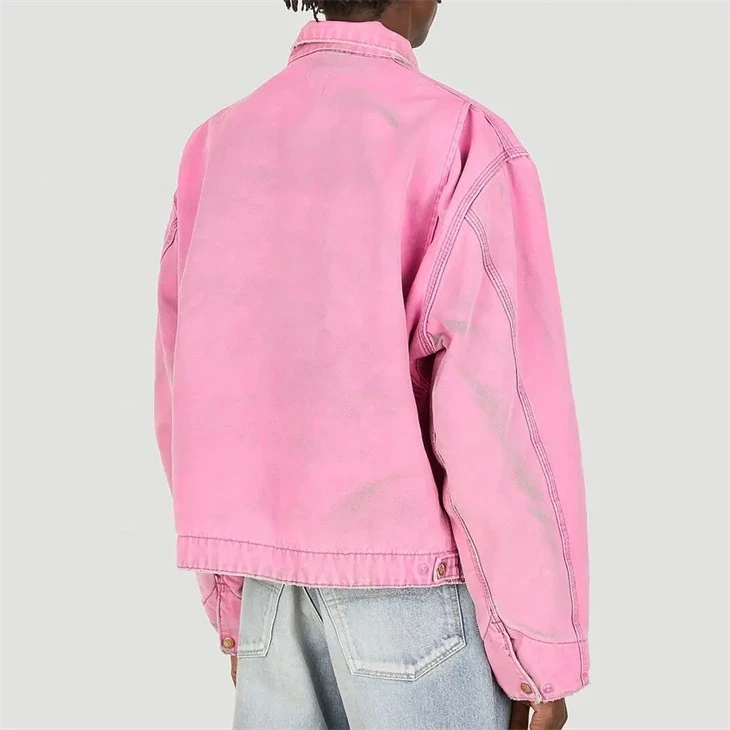
Process of Shirts
Making T-shirts is a fairly simple and largely automated process. Specially designed machines integrate cutting, assembling, and stitching for the most efficient operations. The most commonly used seams for T-shirts are narrow, superimposed seams, which are usually made by placing one piece of fabric onto another and lining up the seam edges. These seams are frequently stitched with an overedge stitch, which requires one needle thread from above and two looper threads from below. This particular seam and stitch combination results in a flexible finished seam.
Another type of seam that may be used for T-shirts are bound seams, in which a narrow piece of fabric is folded around a seam, as at the neckline. These seams may be stitched together using a lockstitch, chainstitch, or overedge stitch. Depending on the style of the T-shirt, the order in which the garment is assembled may vary slightly.
Styling
The T-shirt style is designed and the dimensions are transferred to patterns. Adjustments are made for size differences and stylistic preferences.
Cutting
The T-shirt sections are cut to the dimensions of the patterns. The pieces consist of a tubed body, or separate front and back sections, sleeves, perhaps pockets, and trim.
Assembling the front and back
For fabric that is not tubed, the separate pieces for the front and back sections must be stitched together at the sides. They are joined at the seam lines to form a simple, narrow, superimposed seam and stitched together using an overedge stitch. Care must be taken to avoid a needle cutting the yarn of the fabric, which can lead to tears in the garment.
Assembling the sleeves
The hems of sleeves are generally finished before they are fitted into the garment, since it is easier to hem the fabric while it is flat. An automated system moves the sleeves to the sewing head by conveyor. The edge may be finished by folding it over, forming the hem and stitching, or by applying a band. The band may be attached as a superimposed seam or folded over the edge as binding.
If the T-shirt body is tubular, the sleeve material is first sewn together, and then set into the garment. Alternatively, if the T-shirt is "cut and sewn," the unseamed sleeve is set into place. Later during the final stage of sewing the shirt, the sleeve and side seams are sewn in one action.
Stitching the hem
The garment hem is commonly sewn with an overedge stitch, resulting in a flexible hem. The tension of the stitch should be loose enough to allow stretching the garment without tearing the fabric. Alternative hem styles include a combination of edge finishing stitches.
Adding pockets
Pockets may be sewn onto T-shirts intended for casual wear. Higher quality T-shirts will insert an interlining into the pocket so that it maintains its shape. The interlining is inserted into the pocket as it is sewn onto the T-shirt front. Pockets may be attached to the garment with automated setters, so the operator only has to arrange the fabric pieces, and the mechanical setter positions the pocket and stitches the seam.
Stitching the shoulder seams
Generally, shoulder seams require a simple superimposed seam. Higher quality T-shirt manufacturers may reinforce seams with tape or elastic. Depending on the style of the T-shirt, the seams at the shoulder may be completed before or after the neckband is attached. For instance, if a tubular neckband is to be applied, the shoulder seams must first be closed.
Attaching the neckband
For crew neck shirts, the neck edge should be slightly shorter in circumference than the outer edge where it is attached to the garment. Thus, the neckband must be stretched just the right amount to prevent bulging. Tubular neckbands are applied manually. The bands are folded, wrong sides together, stretched slightly, and aligned with the neckline. The superimposed seam is stitched with an overedge stitch.
Bound seams are finished with a cover stitch and are easy to achieve. Bound seams may be used on a variety of neckline styles. The process entails feeding ribbed fabric through machines which fold the fabric and apply tension to it.
Some neckbands on lower-priced shirts are attached separately to the front and back necklines of the garment. Thus when the shoulder seams are stitched, seams are visible on the neckband.
V-necks require the extra step of either lapping or mitering the neckband. In the former process, one side is folded over the other. A mitered seam is more complex, requiring an operator to overlap the band accurately and stitch the band at center front. An easier method for a V-neck look is to attach the band to the neckline and then sew a tuck to form a V.
Finishing the neckline
Necklines with superimposed seams may be taped, so that the shirt is stronger and more comfortable. Tape may be extended across the back and over the shoulder seams to reinforce this area as well and to flatten the seam. The seam is then cover stitched or top stitched.
Label setting
One or more labels are usually attached at the back of the neckline. Labels provide information about the manufacturer, size, fabric content, and washing instructions.
Optional features
Some T-shirts will have trim or screen prints added for decorative purposes. Special T-shirts for infants have larger openings at the head. The shoulder seams are left open near the neck, and buttons or other fasteners are attached.
Finishing operations
T-shirts are inspected for flaws in the fabric, stitching, and thread.
High-quality T-shirts may be pressed through steam tunnels before they are packaged. Packaging depends on the type of T-shirt and the intended distribution outlet. For underwear, the shirts are folded and packaged in pre-printed bags, usually of clear plastic, that list information about the product. Shirts may be boarded, or folded around a piece of cardboard, so that they maintain their shape during shipping and on the shelf. Finally, they are placed into boxes by the dozen or half-dozen.
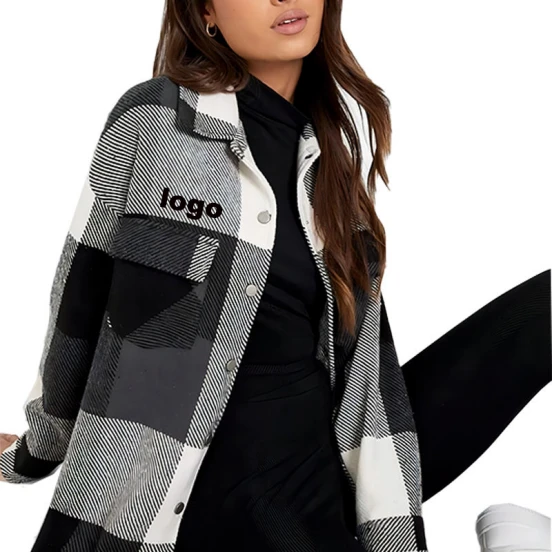
T-shirts
The T-shirt got its name from the shape of the letter ‘T’. It’s commonly worn by any gender, and is typically worn for informal, day-to-day occasions due to its comfort. The most commonly used fabrics to make tees are cotton or polyester but these days you’ll notice nicher fabrics being used to make more T-shirts, like linen, rayon, hemp and even Lyocell.
T-shirts can also be worn for semi-formal occasions but, unless you’re audacious or famous, it’s hard to get away with formal. They can be worn at home, to bed, for a lunch gathering, to get a drink with friends, or to university. Pretty much any informal occasion is ok then.
The different types of T-shirts are almost limitless. They can be short-sleeved or long-sleeved, and they can either have patterns or graphics or stay plain. They can also have different types of necklines, such as V-neck, crew neck, scoop neck, and more. Tees can also come in different lengths - for example, cropped T-shirts and extra long T-shirts have both been at the top of the most trending clothing items in recent years. Oversized t-shirts are also having a bit of a moment and can be super stylish.
T-shirts vs shirts: an overview
T-shirts do not have collars or buttons; shirts have collars and buttons
T-shirts are often informal and casual; shirts are somewhat more formal
T-shirts are typically made of cotton or polyester; shirts come in more diverse fabrics
T-shirts and shirts can both be short-sleeved or long-sleeved
T-shirts are most typically short sleeved, shirts long-sleeved.
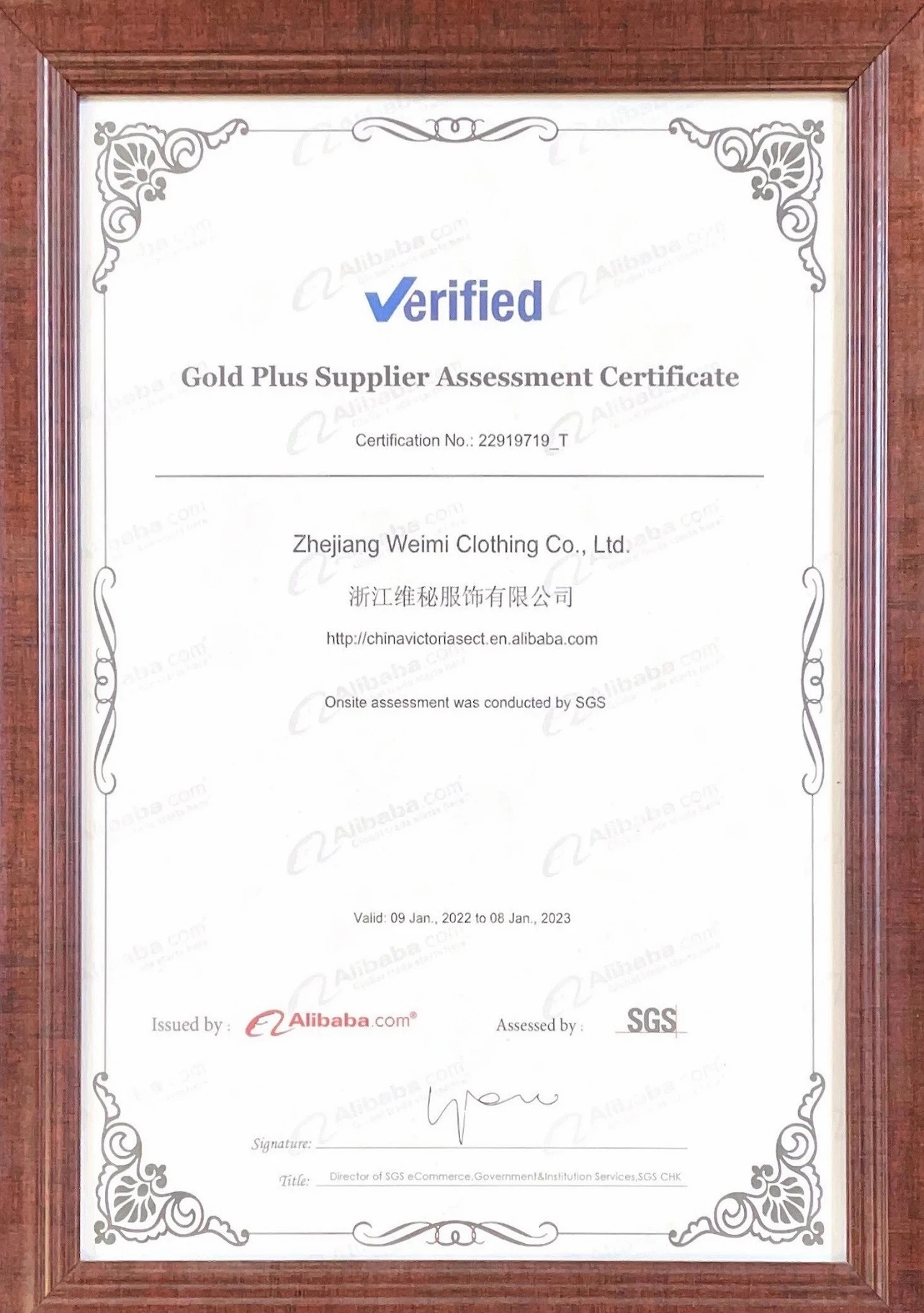
Certifications
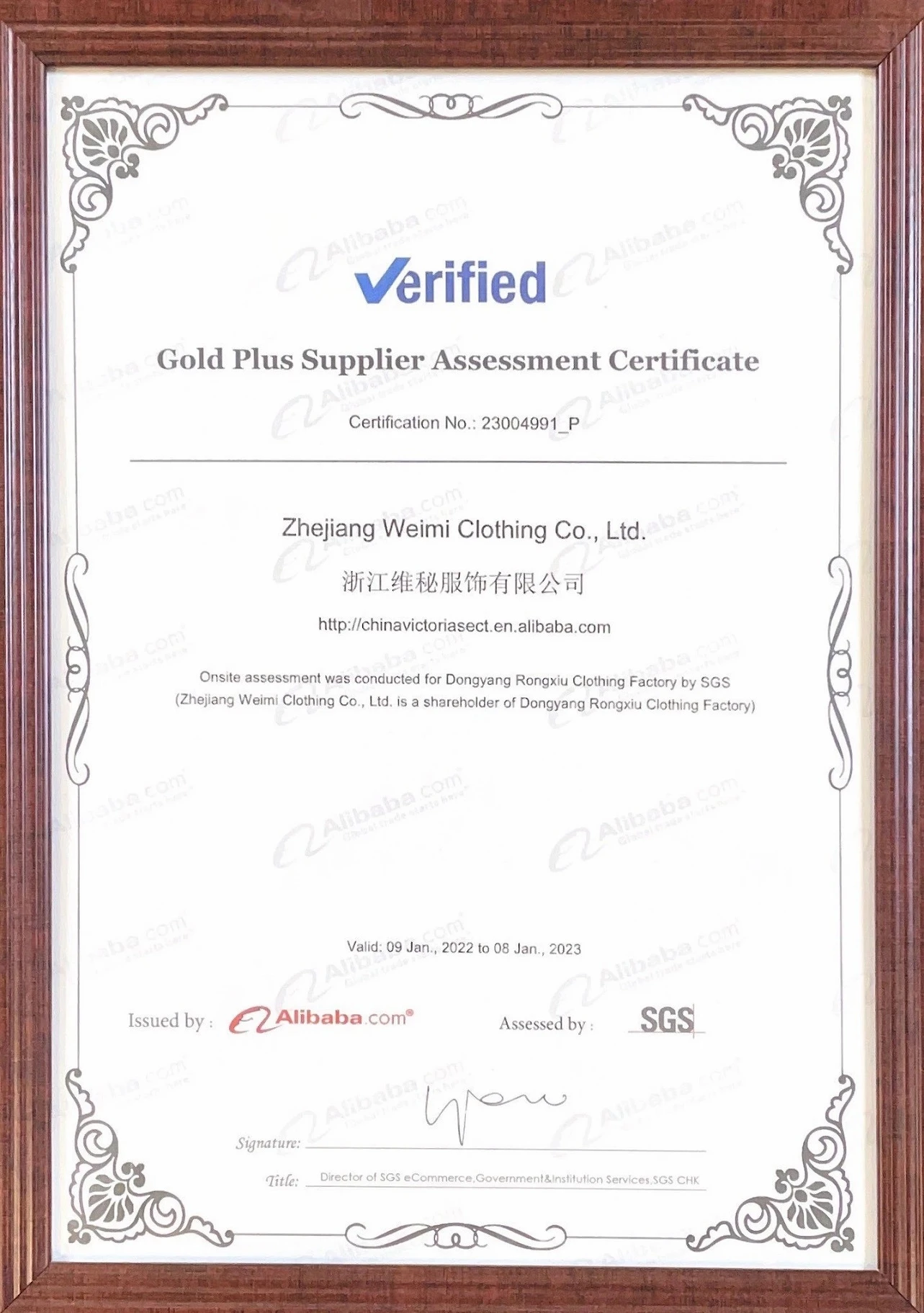
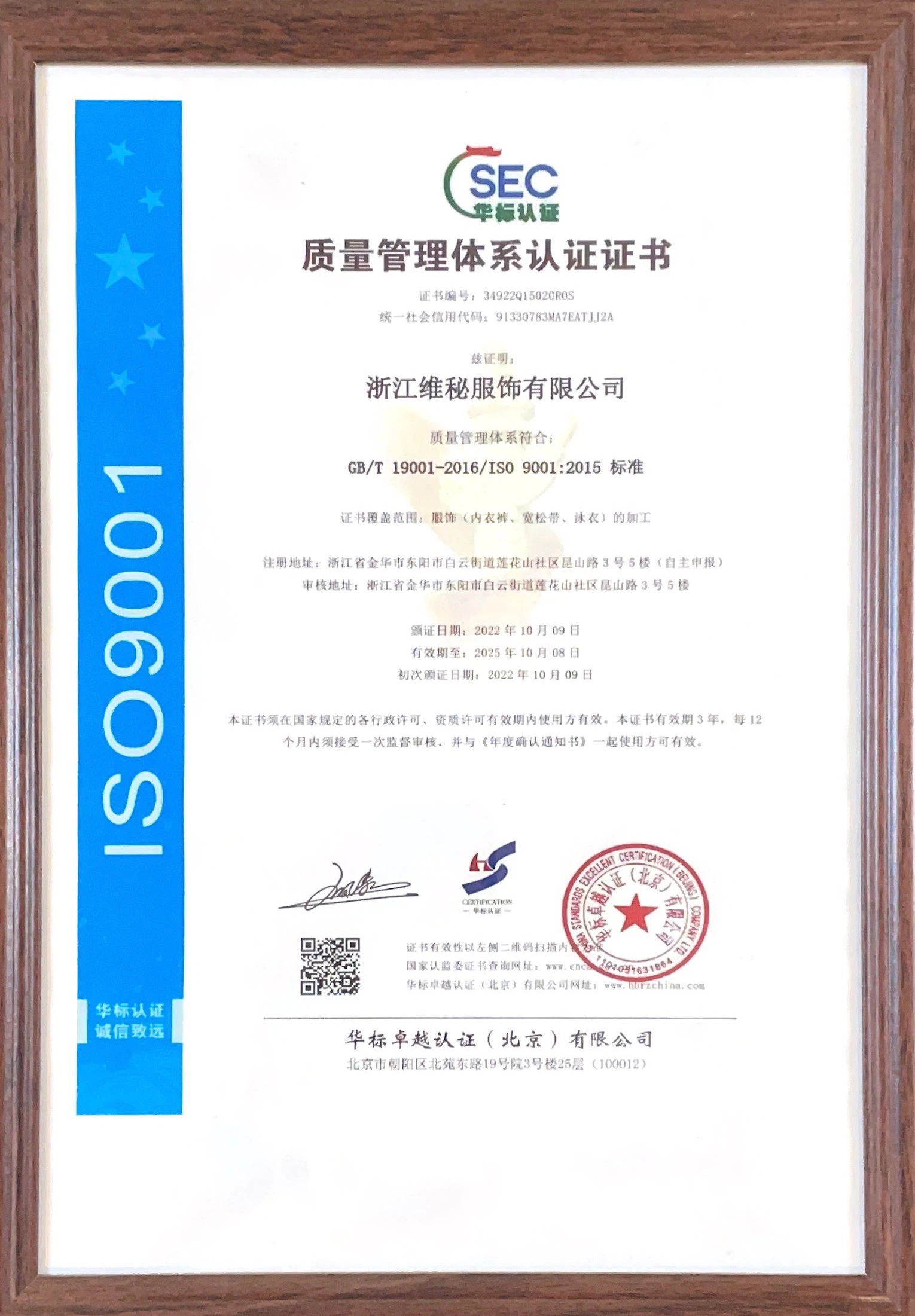
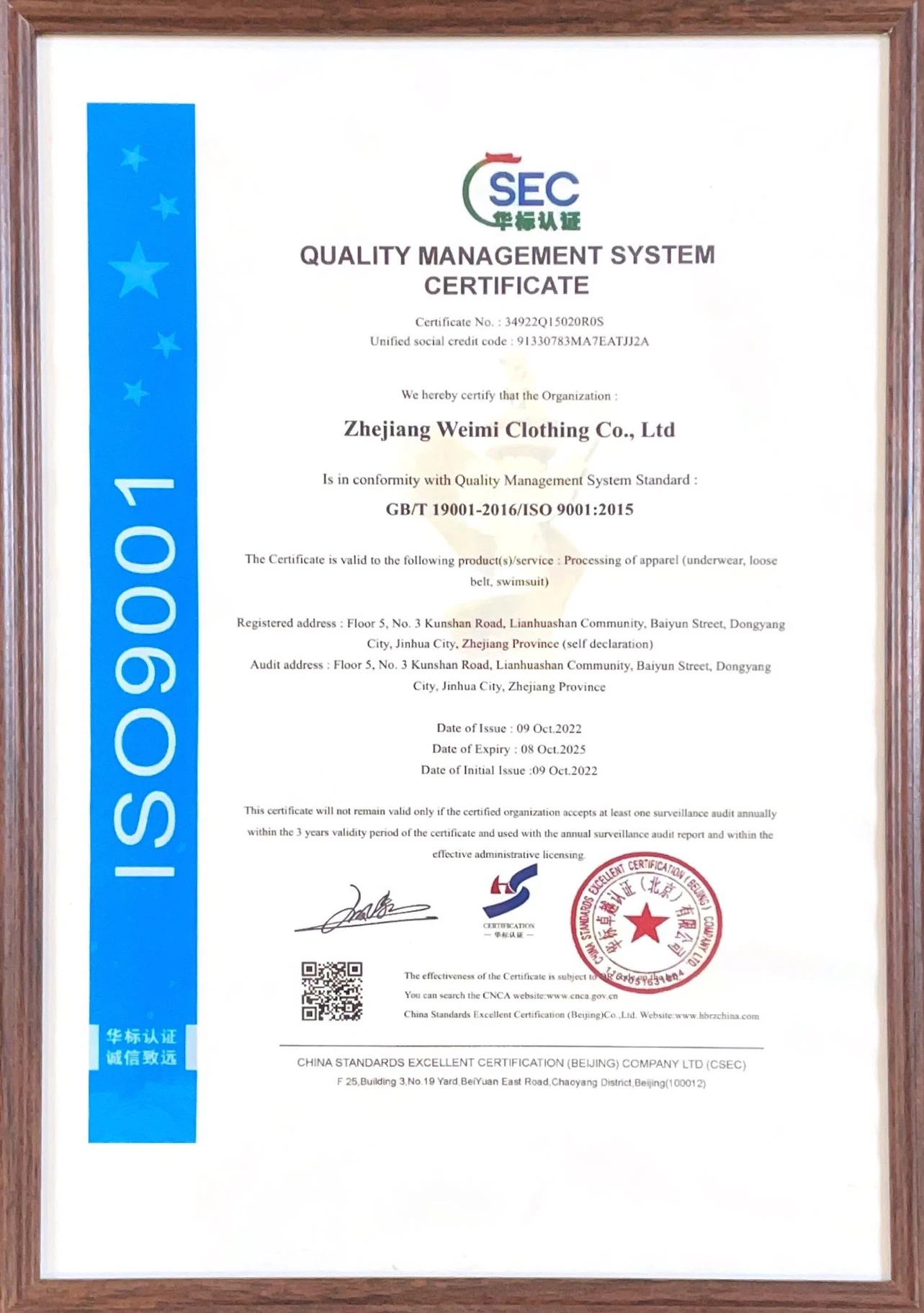
FAQ
Q: What is so special about UNTUCKit shirts?
Q: Should short sleeve shirts be tucked in or out?
Q: What is the top 1 clothing brand?
Q: What is the most popular shirt brand in the world?
Q: What are the highest quality T-shirts made of?
Q: Why do girls tuck in their shirts?
Q: Why do men tuck in their t shirts?
Q: Why do people half tuck their shirts?
Q: What are the trending t-shirt colors for 2023?
Q: What type of shirts sell most?
Q: What country invented T-shirts?
Q: What is the trend in shirts in 2024?
Q: What kind of shirts do people like to buy?
Q: What is the most popular t-shirt style?
Q: What does T in T-shirt stands for?
Q: What style of shirt is most flattering?
Q: What are the 70s shirts called?
Q: Is it OK to wear at shirt under a shirt?
Q: What color shirt makes you more attractive?
Q: What are grandpa shirts called?
As one of the leading shirts manufacturers and suppliers in China, we warmly welcome you to buy or wholesale bulk shirts in stock here from our factory. All customized products are with high quality and competitive price.
Shirts, Customization Heavyweight T shirt